
CASE STUDY
Removing barriers to access:
A research-driven behavioral campaign for SNAP enrollment.
Research revealed that stigma, not eligibility, was keeping people from signing up for SNAP. Formation helped MANNA FoodBank turn those insights into a phased marketing campaign that changed perceptions, moved audiences to action and generated more than 20,200 conversions across Western North Carolina.
Breaking down the stigma around SNAP.
MANNA FoodBank knew that misconceptions and stigma around the federally-funded Supplemental Nutrition Assistance Program (SNAP) were keeping eligible people across Western North Carolina from accessing the support they needed. They asked Formation PR & Brand to help identify the underlying issues preventing SNAP sign ups.
We researched key misunderstandings and addressed them head-on with a phased, research-driven, multi-media behavioral marketing campaign.
And when Hurricane Helene hit, a strategic foundation was already in place to quickly connect storm victims with critical food assistance.
Short-form video extended the campaign across digital channels, supporting SNAP awareness, access and enrollment.
Ending hunger in rural communities.
As Western North Carolina’s only food bank, MANNA FoodBank works to provide food and resources to neighbors experiencing food insecurity so they have the stability and support they need, not just for today but for the future.
SNAP is one of the most powerful tools MANNA has for that mission. Every dollar of SNAP benefits that reaches an eligible family stretches MANNA’s own resources further — it’s a multiplying effect.
The barrier to access wasn’t eligibility. It was stigma.
Stigma was keeping hungry families in Western North Carolina from using SNAP. The real problem wasn’t information — it was the internal story people were telling themselves about who “deserves” help. Solving for eligibility alone wouldn’t encourage people to enroll in the SNAP program. Solving for shame would.
To increase enrollment, MANNA needed to do more than tell people SNAP existed. It needed to change the way they thought about it.
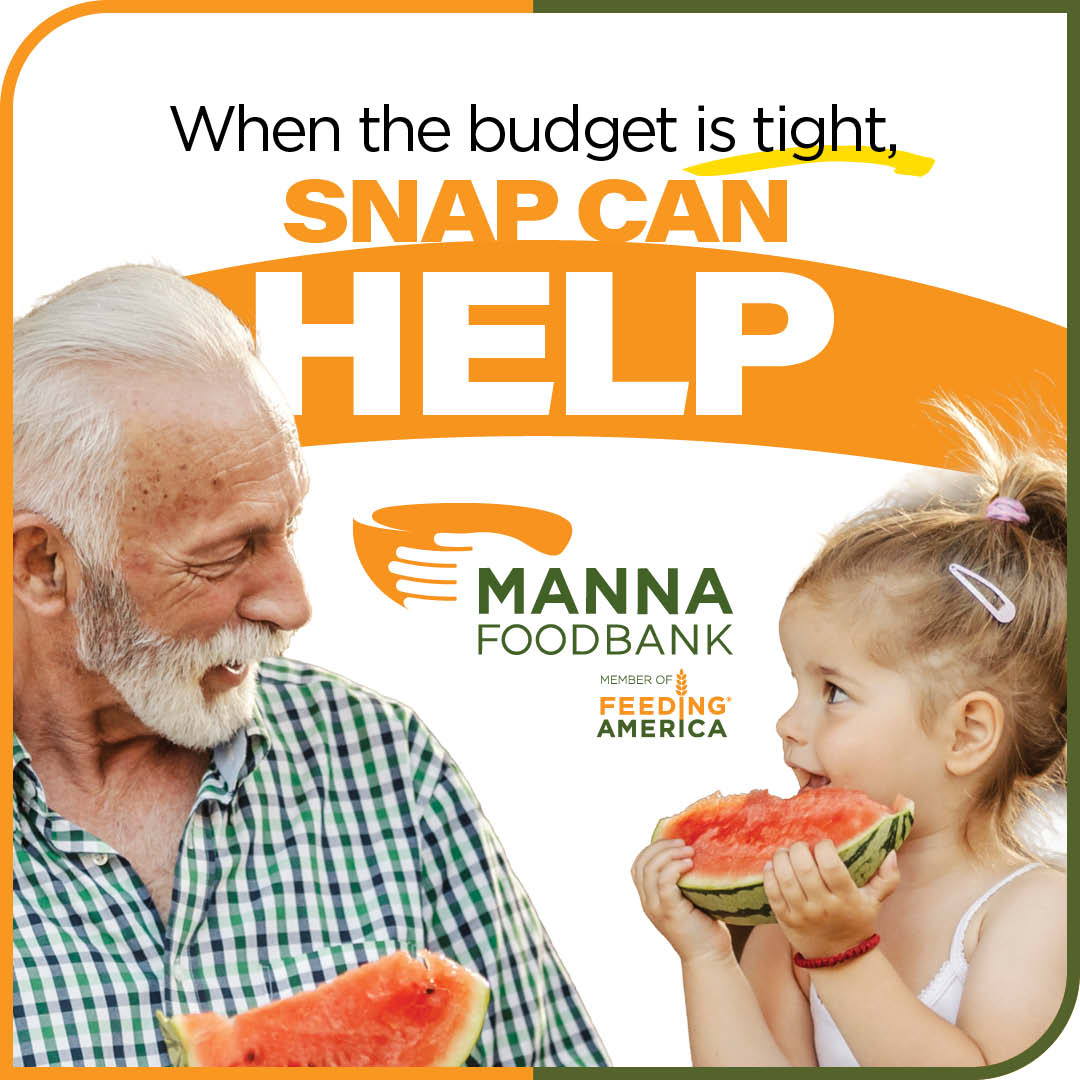
Family-centered campaign creative made SNAP benefits clear and approachable for those who may be eligible.
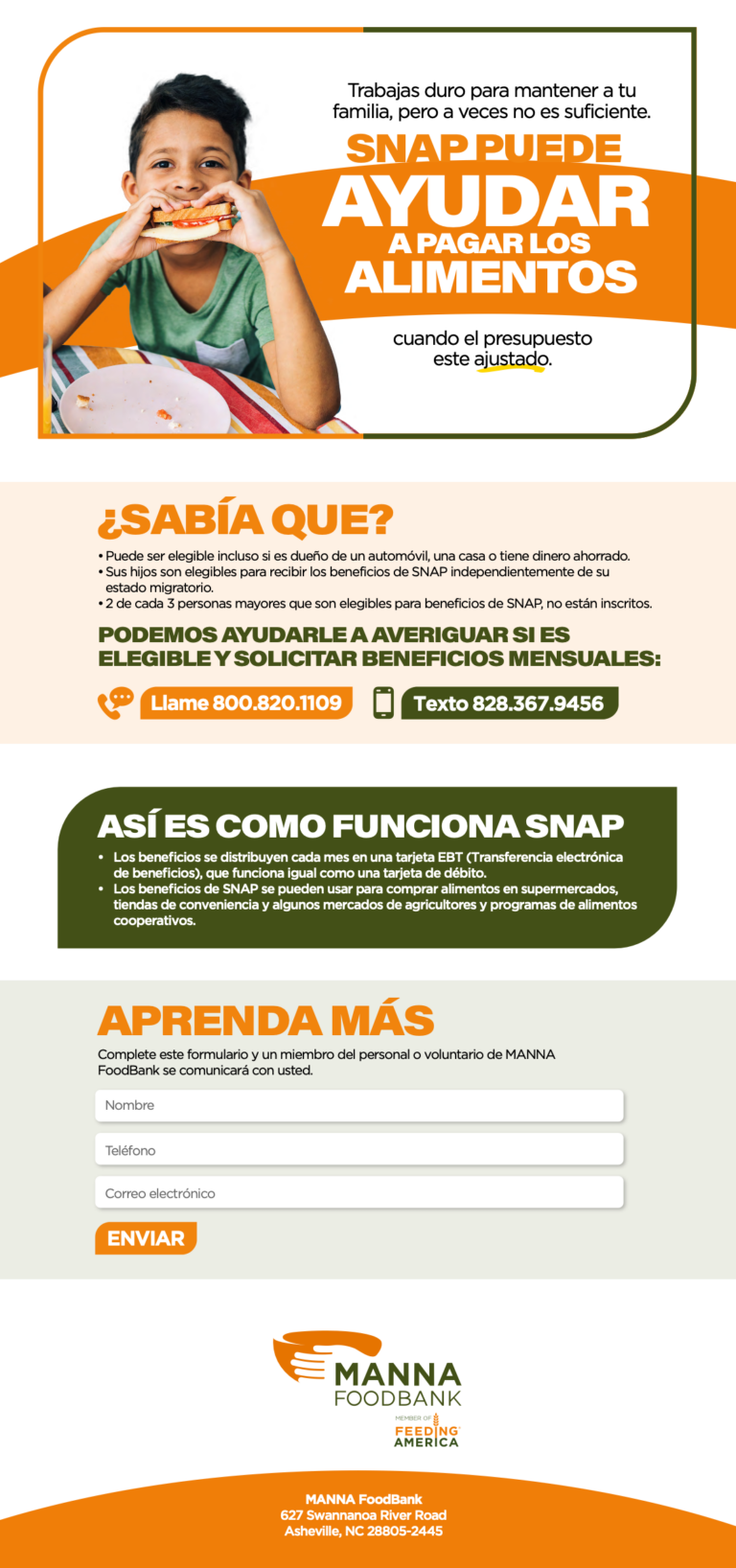
Spanish-language materials explained SNAP eligibility and gave families a concrete next step.
Changing perceptions and behavior starts with understanding what drives it.
Using a research-driven approach, Formation dug into the why, through interviews, market research and a SNAP Attitudes & Usage study. We identified two driving reasons why potential SNAP users resisted enrollment: Working families felt ashamed to accept help, and seniors feared using SNAP would take benefits from others.
From awareness to action.
Based on these insights, Formation created a behavioral campaign that spoke directly to what held people back. We tested messages with target audiences before deploying a multi-phase, integrated marketing campaign.
The Formation team focused on awareness, introducing our messaging across the region to reset perceptions. Once that foundation was in place, we shifted the strategy — moving the right audience from awareness into action by connecting with MANNA and encouraging them to enroll in SNAP.
Bright, approachable creative reinforced a simple message for families: SNAP can help.
Breaking down barriers. Connecting people to SNAP.
The two-phase approach worked because each phase did what the other couldn’t. The first phase of the behavioral campaign built regional awareness, correcting misconceptions. In the second phase, the audience was already primed, so the conversion-focused setup could do the work of moving them straight to enrollment rather than starting from zero. Awareness lowered the barrier to action, and conversion targeting capitalized on it.
In just six weeks, the first phase of the SNAP campaign delivered:
The seven-week second phase generated:
Behind every one of those 20,200+ conversions is someone who saw SNAP differently, and took a step toward getting the support they needed.
When Hurricane Helene devastated Western North Carolina, the foundational components of this work allowed Formation to quickly launch a new digital campaign focused on connecting storm victims with critical food resources.
– Glenn Wise Former Director of Programs, MANNA Foodbank
What is keeping your audience from taking action?
Explore our marketing campaigns.